
Key Highlights
- What qualifies as engaging content and why it matters
- Popular types of content and when to use them
- How to match content with your audience’s expectations
- Tools and metrics to measure performance
- Best practices for improving content over time
Engaging content plays a direct role in how people interact with your website and brand. It helps visitors stay longer, understand your value, and take action. When content fails to engage, even strong SEO rankings struggle to produce leads or sales. In fact, 70% of consumers prefer learning about a business through content like articles rather than ads.
This guide explains easy ways to identify your engaging content, as well as how to measure success.
What is Engaging Content?
Engaging content is content that holds attention and encourages interaction. It answers a real question, solves a specific problem, or helps someone make a decision. When readers feel that a page is relevant to their situation, they are more likely to stay, scroll, and respond.
Engagement shows up in small but meaningful ways. People read past the first paragraph. They click to another page. They watch a video or fill out a form. These signals tell search engines and your business that the content is working.
Types of Engaging Content
Different people prefer different formats. The best types of content depend on your audience's needs and behaviors.
Educational content
Educational content teaches something useful or solves a clear problem. Blog posts that answer FAQs, step-by-step tutorials, infographics, explainer videos, and webinars all help visitors learn and take action.
Interactive content
Interactive content invites participation. Quizzes, ROI calculators, feedback forms, and chatbots can make users stay longer while giving you insights into their needs.
Visual content
Visual content grabs attention quickly and is highly shareable. Short videos, memes, GIFs, and data visualizations make it easy to deliver your message fast, especially on mobile.
That’s why visuals are so powerful; they generat 650% more engagement than text-only posts.
User-generated content
User-generated content builds trust and credibility. Customer reviews, testimonials, case studies, and before-and-after photos are authentic proof that your business delivers.
Entertaining content
Entertaining content can break through when attention is limited. Behind-the-scenes clips, challenges, and humorous posts are often shared and remembered.
Thought leadership content
Thought leadership content showcases expertise. This includes opinion pieces, research reports, expert interviews, and LinkedIn articles that highlight your authority.
Promotional content

Promotional content works best when tied to a clear benefit. Product demos, limited-time offers, and well-written email campaigns can drive leads or sales without feeling overly salesy.
Live content
Live content creates urgency. Livestream Q&As, product launches, and real-time tutorials help you connect directly with your audience.
How to Create Engaging Content
Know Your Audience
Start with research. Understand:
- Their pain points
- What they care about
- Where they spend time online
- How they prefer to consume content (video, blogs, emails, etc.)
Use buyer personas to guide your content topics, tone, and format.
Start with a Strong Hook
Grab attention in the first few seconds or lines.
- Use a bold statement or question
- Address a pain point directly
- Promise a clear benefit or solution
Offer Real Value
Make your content useful, relevant, and clear:
- Answer questions your audience is already asking
- Share specific examples or results
- Keep it concise and focused
Use Visuals
Break up long text and make your message easier to absorb:
- Images
- Charts
- Short videos
- Infographics
These boost time-on-page and sharing.
Write Like a Human
Skip the jargon. Use plain language. Be direct and natural.
Example:
Instead of “maximize your ROI through a comprehensive strategy,” say:
“We’ll help you get more results from your marketing.”
Give your audience a reason to participate:
- Add polls, quizzes, or sliders
- Ask questions at the end of posts
- Include a CTA (“Comment below,” “Try the calculator,” “Download now”)
Optimize for SEO
Even the best content won’t work if it can’t be found, which is where SEO comes in handy.
- Use keywords your audience searches for
- Write helpful meta titles and descriptions
- Use headings, short paragraphs, and image alt text
Test and Improve
Track how your content performs:
- Which posts get the most traffic or shares?
- Where do users drop off?
- What leads to conversions?
Use tools like Google Analytics, Hotjar, and social insights to adjust.
| Use surveys, CRM data, and social media insights to better understand your audience. Then build personas based on their preferences and pain points. |
How to Measure Content Engagement
Use the Right Engagement Metrics
On your website, look at time on page, bounce rate, pages per session, scroll depth, and conversion rates. These show how people are interacting with your content.
On social media, watch likes, shares, comments, and saves. Click-through rates and video completion rates tell you whether your content is driving deeper interest.
In email, monitor open rates, clicks, and unsubscribes. High engagement means your content
and subject lines are aligned with your audience’s interests.
If you're offering downloads or lead magnets, track how many people download and whether they engage after.
Use the Right Tools
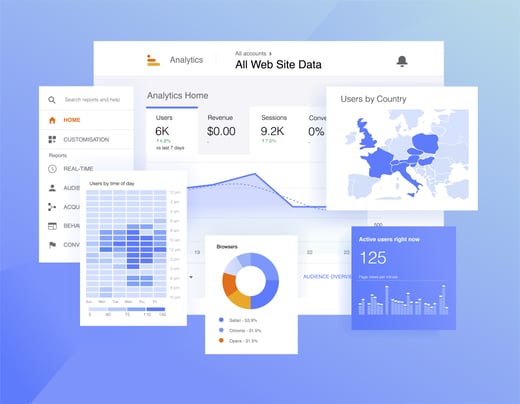
Google Analytics and GA4 provide detailed engagement data for your site. Tools like Hotjar or Microsoft Clarity offer heatmaps and session replays. Social platforms have built-in insights, and email tools like Mailchimp or HubSpot give you open and click data. Top content teams use tools too, 71% of high-performing marketers rely on analytics to guide decisions.
Set Clear Goals
Make sure each piece of content supports a business outcome, like leads, demos, or newsletter signups. This helps you measure true performance, not just vanity metrics.
Look at Patterns
Don’t judge content by a single post. Watch for trends: which topics resonate, which formats convert, and when your audience is most active.
Test and Adjust
Use performance data to improve. Update weak headlines, add visuals where users drop off, or repurpose top content into new formats like video or email.
| Try Google Analytics, Hotjar, or Microsoft Clarity to see how users interact with your pages. Look for patterns in drop-off points or clicks to guide improvements. |
Best Practices for Creating Engaging Content
Focus on One Audience at a Time
Don’t try to talk to everyone. Tailor content to a specific buyer persona.
- Use their language
- Address their pain points
- Offer solutions they care about
Start with a Clear Purpose
Know what you want the content to do:
- Inform
- Entertain
- Generate leads
- Drive conversions
Each piece should support a business goal.
Grab Attention Early
Use strong openings:
- Ask a direct question
- Share a surprising stat
- Highlight a common problem
Keep intros short and relevant.
Break Up the Content
Make it easy to scan:
- Use short paragraphs
- Add headers
- Include bullet points
- Insert visuals where it helps
People skim before they commit.
Write as You Speak
Be clear, not clever. Use everyday language.
- Avoid buzzwords and filler
- Write in active voice
- Keep sentences short
Plain writing is more trustworthy and effective.
Add Visuals That Help
Support your message with:
- Photos
- Charts
- Short videos
- Infographics
Don’t add visuals just to fill space; make sure they clarify or explain.
Include a Call to Action (CTA)
Tell people what to do next:
- “Download the guide.”
- “Leave a comment.”
- “Book a free consult.”
Make it easy and direct.
Make It Mobile-Friendly
Most users view content on phones. Use:
- Responsive design
- Large text
- Tap-friendly buttons
Test your content on mobile before publishing.
Stay Consistent
Use a consistent:
- Brand voice
- Visual style
- Publishing schedule
This builds trust and recognition over time.
Review Performance Regularly
Track what’s working:
- What gets clicks, shares, or comments?
- What leads to conversions?
- What gets ignored?
Then adjust based on real results.
| Ditch the jargon. Write how you speak. Use short sentences and active voice for better clarity and trust. |
Use AI to Strengthen Content Strategy
AI tools can help you improve content planning, personalization, and performance tracking. From writing assistance to predictive analytics, AI allows you to create more relevant content faster and adjust it based on how people respond.
You can also use AI to segment your audience, optimize timing, and test variations more efficiently. When applied correctly, it supports better engagement and stronger outcomes.
Want help using AI to improve your content? Explore WSI’s AI consulting services.
Contact WSI for Crafting Engaging Content!
If you're struggling to create content that captures attention, keeps people interested, and drives real business results, WSI can help. We specialize in crafting content strategies that speak directly to your audience and align with your goals, whether that’s generating leads, boosting website traffic, or improving customer engagement.
Our team works with you to develop high-quality content across formats, including SEO-friendly blog posts, email campaigns, social media content, and landing pages. We also integrate visuals and interactive elements where they make the most impact. Every piece is optimized not just to look good, but to perform.
With WSI, you're not guessing what works. We track how your content performs, adjust where needed, and make sure it's always moving the needle for your business.
Frequently Asked Questions about Unique Content Creation1. Why is unique content important for SEO?Search engines prioritize original content because it provides new value to users. Duplicate or recycled content can hurt your rankings. Unique content also helps establish your brand voice and authority. 2. How often should I publish new content?Consistency matters more than volume. Publishing once a week or even bi-weekly is fine if it’s consistent and high-quality. Frequent updates also help signal freshness to search engines. 3. What makes content truly “unique”?It’s not just about avoiding plagiarism. Unique content reflects your brand’s perspective, voice, and expertise. It shares original insights, solves specific problems for your audience, and isn’t easily found elsewhere. 4. Can I reuse existing content without hurting SEO?Yes, but repurpose it strategically. Turn a blog post into a video, a webinar into a guide, or a long article into a series of shorter posts. Always refresh, update, and reshape it to add new value. 5. How do I come up with fresh content ideas?Use customer questions, search trends, social media comments, and sales team feedback. Tools like Google Search Console, Answer The Public, or SEMrush Topic Research can help identify gaps and opportunities. 6. How do I know if my content is too similar to competitors’?Compare tone, structure, and insights. If your content reads like a generic version of theirs, it's not adding value. Offer personal experience, data, customer stories, or a different angle. 7. What role does tone of voice play in making content unique?A consistent and distinctive tone helps your content stand out, even if the topic is common. Whether you're friendly, professional, or bold, your voice creates recognition and trust. |